2021 FL-DSSG Summer Internship
The Florida Data Science for Social Good (FL-DSSG) program is an intensive 12-week internship that invites students to tackle data-rich projects that have the potential for substantial social impact. The 2021 program was conducted in a limited capacity and remotely. The 2021 FL-DSSG program supported seven interns from various disciplines and three nonprofit organizations from the State of Florida. The 2021 FL-DSSG summer internship program started on June 1 and ended on August 20, 2021. Interns presented the project results at an open to public Big Reveal event on August 17, 2021, via Zoom Webinar and YouTube Live. The 2021 FL-DSSG program was supported by the Jacksonville Jaguar Foundation and FIS Distinguished Professorship Award. Dr. Dan Richard from the Department of Psychology and Dr. Karthikeyan Umapathy from the School of Computing spearhead the FL-DSSG program.
2021 FL-DSSG Big Reveal Event Presentations
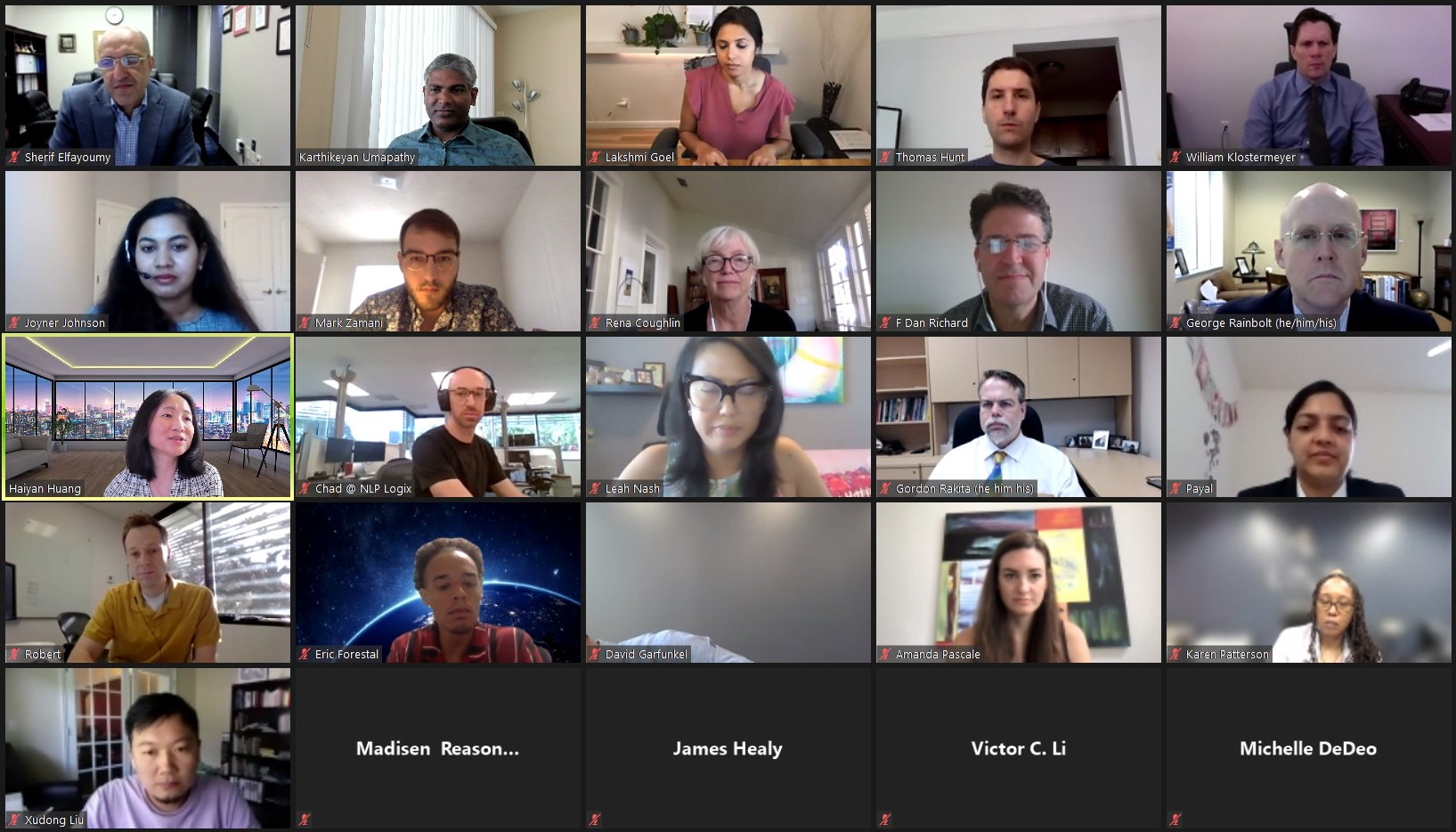
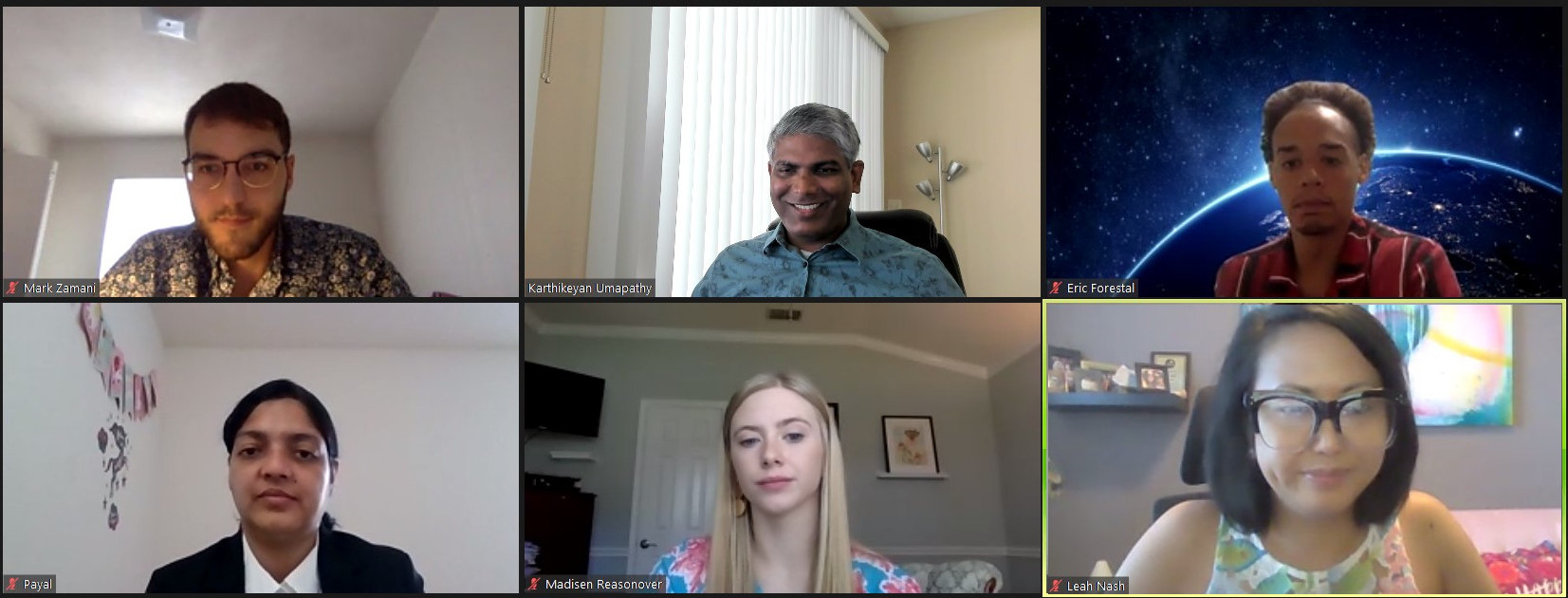
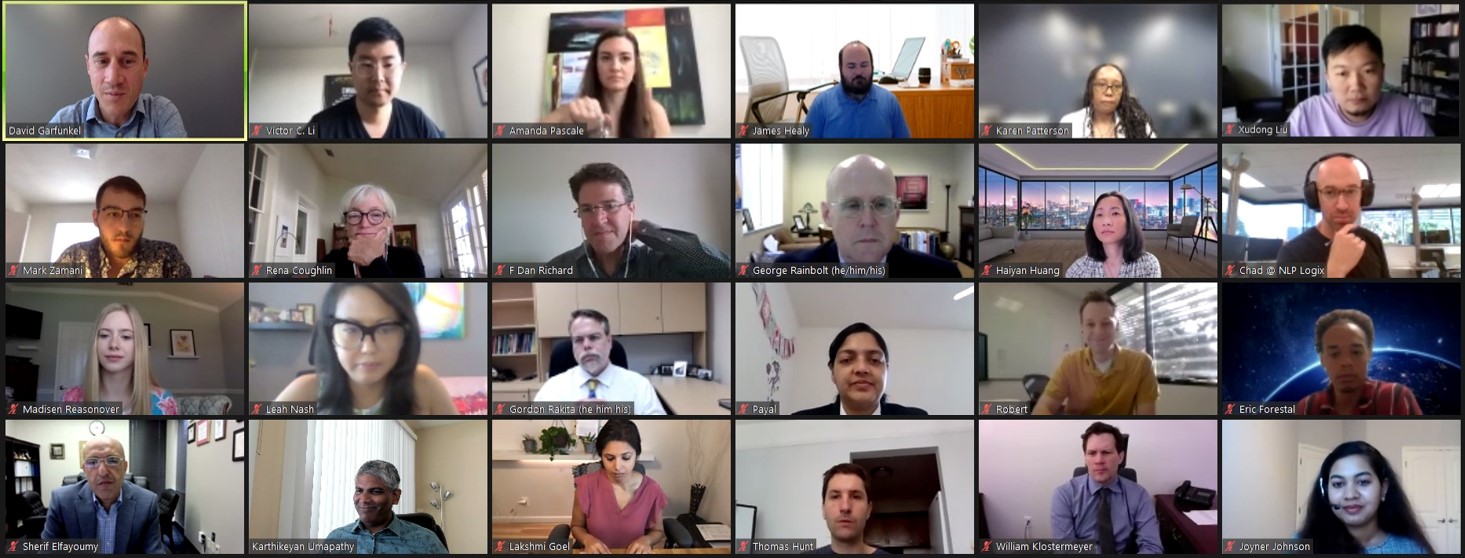
FL-DSSG Big Reveal Event was held on August 17th, 2021, from 4:30 PM to 6:30 PM as a Zoom webinar event. At the event, DSSG interns presented findings and revealed insights gained from the Barnabas Center, League of Women Voters of Florida, and Jewish Family and Community Services data science projects. Below you can access the PowerPoint file and video recordings of the presentations.
2021 FL-DSSG Big Reveal Presentation Slide Deck
2021 Big Reveal YouTube Live Recording
View the video recording on YouTube →
2021 Big Reveal Live Recording on the FL-DSSG YouTube Channel
(Opens in a new tab)
 View the video recording on YouTube →
Social Good Projects
FL-DSSG projects address wicked problems, issues that have been persistent social issues in our community for many years. FL-DSSG program obtains relevant data from the community partners pertinent to the issue and assists partners in making data-driven decisions for addressing their wicked social problem. Wicked problems addressed in the 2021 program include the impact of health care services and emergency visit costs, profiling voter registration and communication modalities, and analyzing therapists scheduling and healthcare service costs.
Barnabas Center – Analyzing Impacts of Health Services on Emergency Department Utilization
Barnabas provides health services, crisis assistance, and food programs to qualifying residents of Nassau County. Barnabas Center’s strategic plan includes helping people beyond their crisis through case management and programs focused on returning clients to self-sufficiency with hope and happiness in their future. Barnabas Center offers medical and dental services, including primary, preventative, and behavioral healthcare. Health services are offered to patients who are at 200% or below the Federal Poverty Level income guidelines. The center also operates the largest food pantry in Nassau County, provides subsidies to cover rent and utilities, and runs a resale store for clothing and household goods.
The wicked social problem tackled in this project is healthcare overspending due to emergency department (ED) over-utilization. The majority of the emergency visits are avoidable and could have taken place in a lower-cost primary care setting, like the health services provided by Barnabas Center. Sadly, the cost of ED visits is more than a financial issue. When patients seek preventative care in an acute care setting, there are qualitative drawbacks as well. When patients utilize the ED, the relationship built with a provider, continuity of care, and routine service delivery is impeded. The United States spends dramatically more than any other Nation on healthcare; however, the outcomes are far worse. These striking facts underscore the pervasiveness and pressing nature of the social problem. Barnabas is determined to combat this problem by ensuring that Nassau residents have access to affordable primary care as an alternative to visiting the ED or being hospitalized unnecessarily.
This DSSG project assists Barnabas with analyzing the impacts of medical and dental services. The important questions Barnabas seeking answers to are: what is the percentage change in ED visits/admissions of established Barnabas patients over one year, what is the estimated cost savings with avoidance of ED visits by Barnabas patients, what percentage of established patients (with an office visit within one year) were visited the ED or were admitted to the hospital, how do Barnabas percentages compare with national averages, and what percentage of current patients (seen within the last year) fall into the category of high ED users. Answers to these questions would help in determining the effectiveness of health services offered by the Barnabas Center. The project findings would help Barnabas develop a more targeted intervention for keeping Nassau residents out of the hospital for preventable causes.
League of Women Voters of Florida – Finding Insights to Improve Voter Participation
The League of Women Voters of Florida (LWVFL) encourages informed and active participation in government, increases understanding of major policy issues, and advocates for legislative changes and policies for the public good. The League is strictly nonpartisan and never endorses candidates or political parties. The League is open to both men and women, with over 29 active local Leagues statewide.
The League of Women Voters of Florida’s mission is to empower voters and defend democracy. The core activities of the League focuses on ensuring voting rights and education. In 2020, the League increased Vote-By-Mail requests and usage of early voting sites and ballot drop boxes. The League produced 250,000+ printed voter guides and made 308,000+ Get Out The Vote phone calls and texts. All of this increased voter turnout statewide, working through 29 chapters.
The League is seeking assistance from FL-DSSG to analyze voter participation and turnout in Florida. The League would like to know the following: which areas of the state had the lowest voter turnout and why, why did register voters not vote, what would make Florida citizens feel compelled to register to vote and also vote, and what is the best way to reach non-voters.
Jewish Family and Community Services – Identifying Patterns and Trends in the Counseling Department Billing and Scheduling Processes
Jewish Family & Community Services (JFCS) mission is to strengthen the entire community by providing family and individual social services in the Jewish tradition of helping people help themselves. JFCS provides quality social and community services across the life spectrum to enhance the lives of children, adults, seniors, and families coping with challenges that arise throughout the lifecycle. JFCS programs provide a broad range of social services through key areas of child welfare, counseling, adoptions, co-parenting classes, financial assistance, food pantry, senior care, and library.
The social good problem addressed in this project is mental health counseling and therapy. JFCS counseling department serves children and parents with psychiatric and outpatient counseling services. JFCS staff includes a team of clinical social workers, mental health counselors, and marriage and family therapists to help people overcome problems. JFCS offers counseling services on depression/anxiety, life transitions, grief & loss, separation/divorce, adoption, parenting, relationships, gender identity issues, coping with illness, childhood behavioral issues, and issues of abuse and neglect.
The counseling department relies on nine therapists to bill sufficient hours each month to keep the doors open. The counseling service billing is never sufficient. Thus, JFCS constantly seeks additional funding streams to pay for department expenses. JFCS seeks assistance from FL-DSSG to analyze billing methods and procedures to improve the “no show” rate, improve the scheduling process, increase consistent billing, and make recommendations to improve departmental revenue.
Data Science Interns
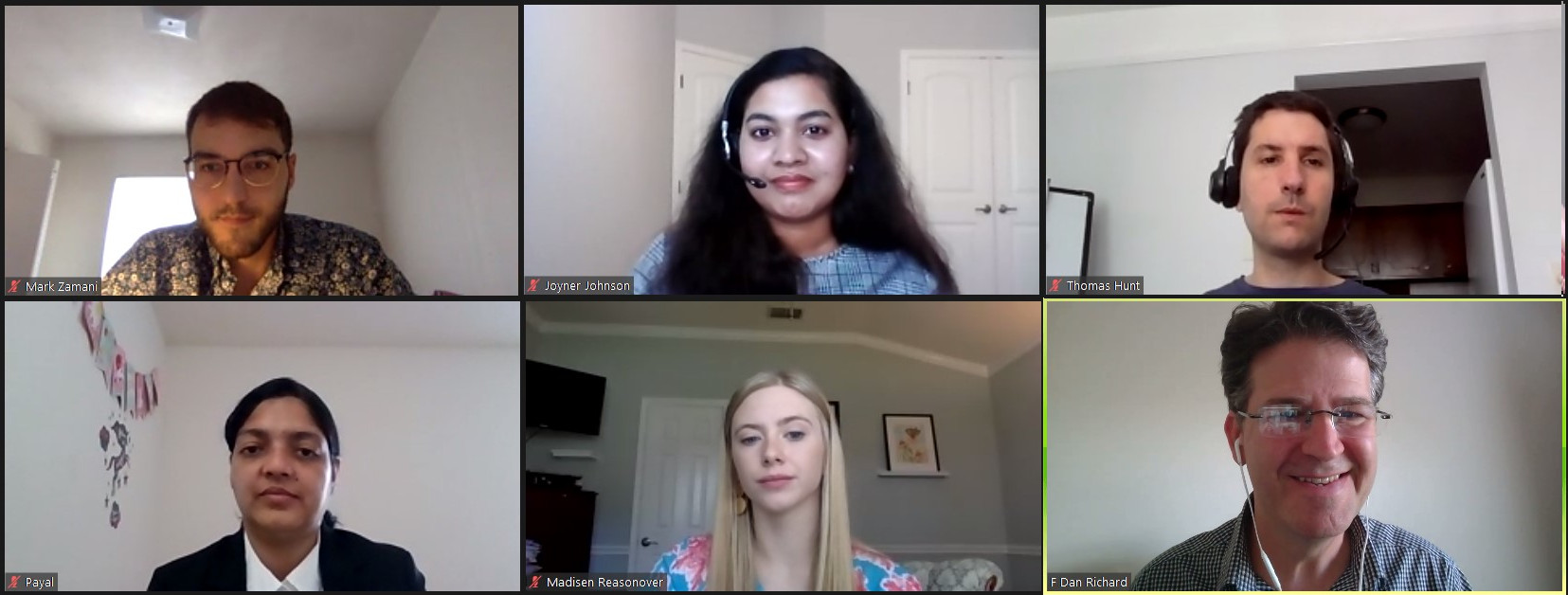
Students work as DSSG Interns in a 12-week, paid internship program. Interns from multi-disciplinary backgrounds work as a team to help community partners make data-driven decisions. Interns receive valuable experience with data management, analysis, technology, and community needs. Interns are supervised by DSSG program directors and receive guidance from industry mentors as well as faculty project leads.
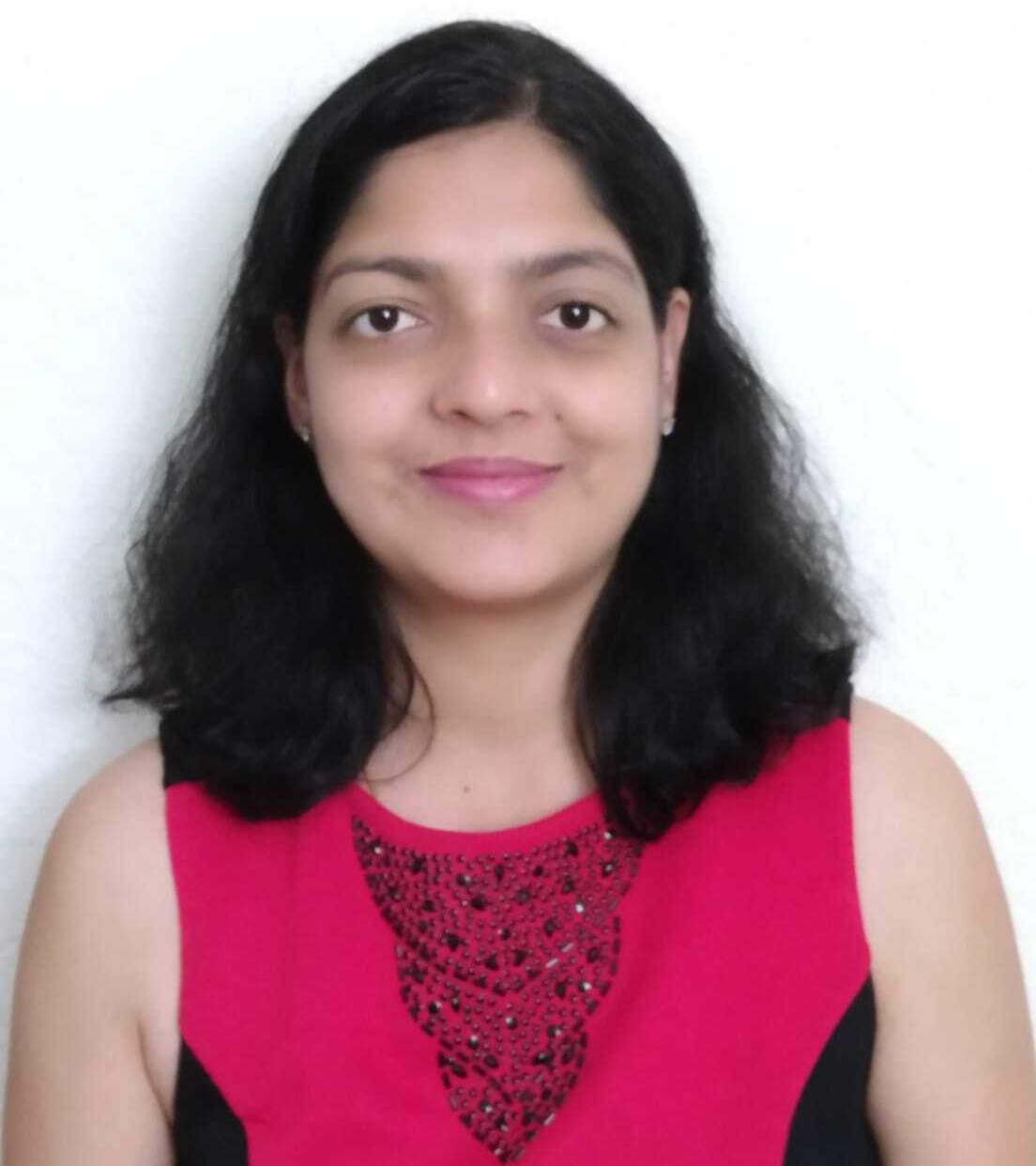
Payal Agarwal
Computer Science
Master of Science
University of North Florida
Jacksonville, FL

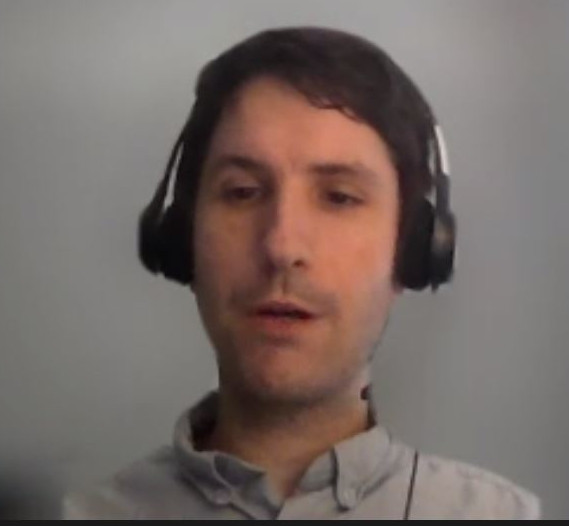
Thomas Hunt
Mathematical Science - Statistics concentration
Master of Science Student
University of North Florida
Jacksonville, FL
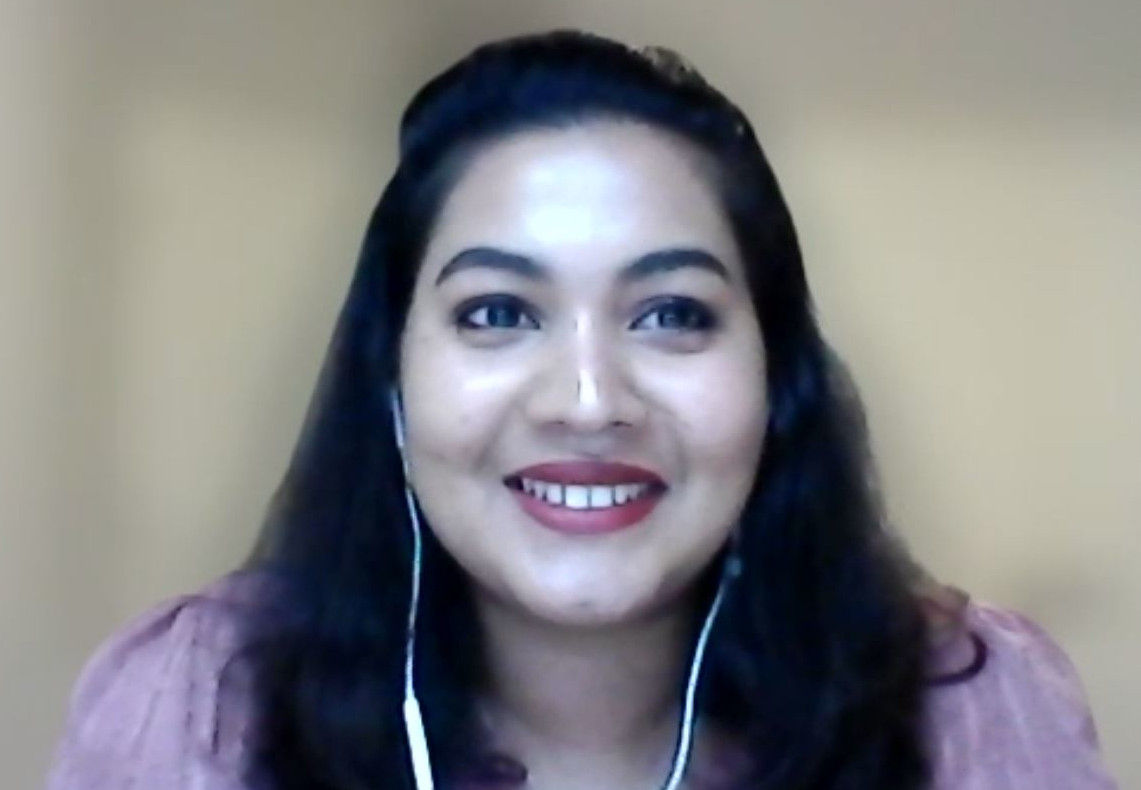
Joyner Johnson
Computing and Information Sciences
Master of Science Student
University of North Florida
Jacksonville, FL
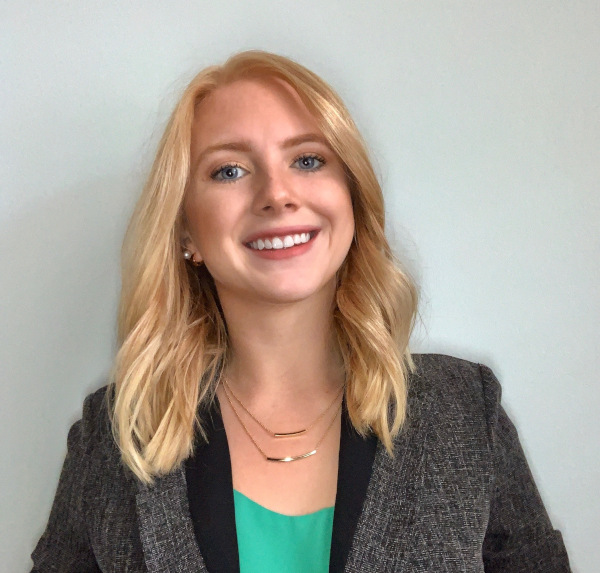
Madisen Reasonover
Psychological Sciences
Master of Science Student
University of North Florida
Jacksonville, FL
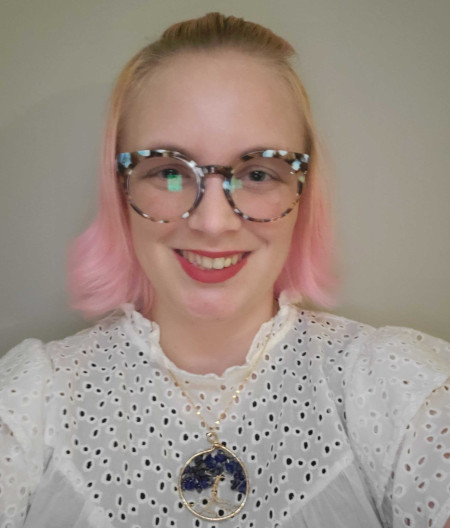
Linday Regan
Psychology
Bachelor of Science Student
University of North Florida
Jacksonville, FL

Wanyue Xiao
Applied Data Science
Master of Science Student
Syracuse University
Syracuse, NY
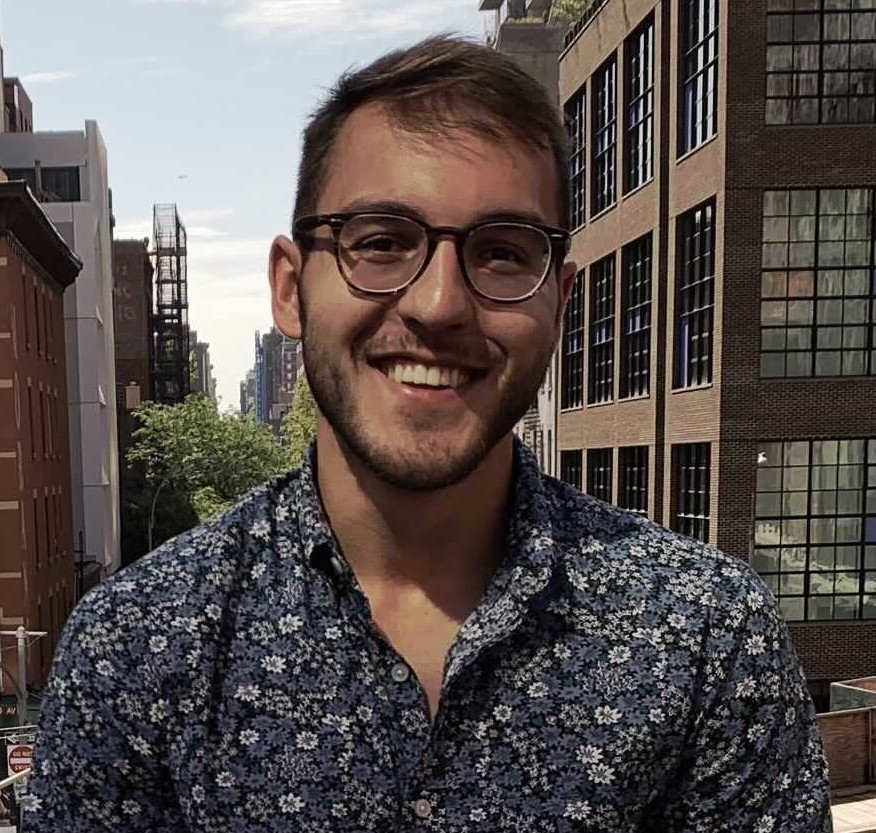
Mark Zamani
Biostatistics
Doctor of Philosophy Student
Florida State University
Tallahassee, FL