2026 FL-DSSG Summer Internship
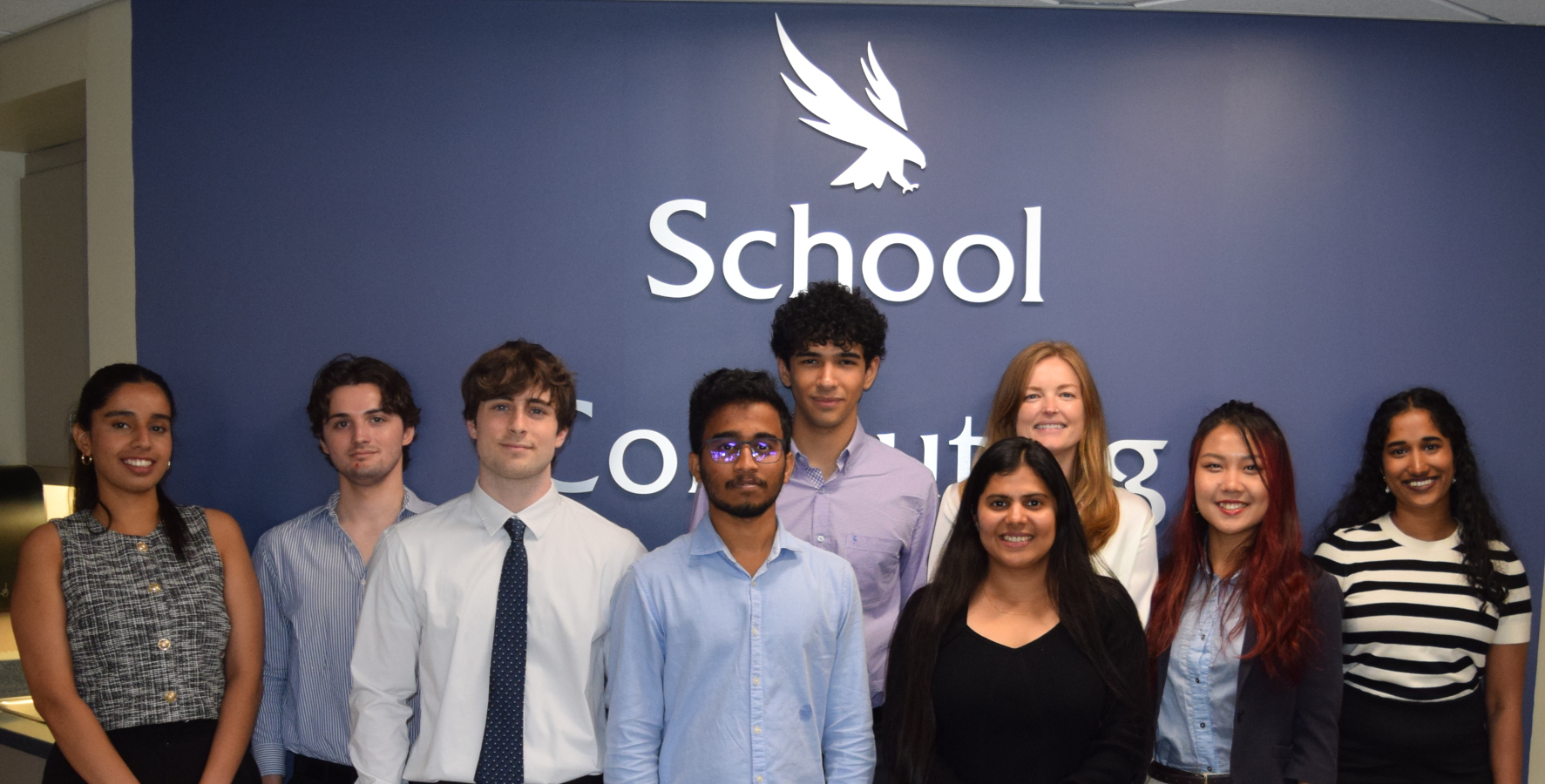
The Florida Data Science for Social Good (FL-DSSG) program is an intensive, 12-week internship that invites students to tackle data-rich projects with the potential for substantial social impact. The 2026 program is a fully in-person experience. This cohort supports nine interns from various disciplines working alongside four nonprofit organizations in Florida.
Hosted at the University of North Florida (UNF) campus, the internship runs from May 18 to August 7, 2026. Interns will present their final project results at the Big Reveal, an event open to the public on August 4 at WJCT Studios. Sponsored by various industry and community organizations, the FL-DSSG program is spearheaded by Dr. Dan Richard from the Department of Psychological and Brain Sciences and Dr. Karthikeyan Umapathy from the School of Computing.
2026 Program Sponsors
We are truly grateful to our industry and community partner sponsors for their support. Their generous donations provide stipends for the DSSG interns, enabling them to dedicate their time to projects that directly benefit Florida communities.
Gold Sponsorship (Above 5K)
Silver Sponsorship (2.5K to 5K)


Bronze Sponsorship (below 2.5K)
Social Good Projects
FL-DSSG projects address wicked problems that are complex, persistent social issues facing Florida communities. The program analyzes relevant information from community partners and publicly available data to help organizations make data-driven decisions that address these challenges. Specifically, the 2026 program tackles these issues by evaluating arts access impacts for children of military families, developing methodologies to integrate localized organizational insights with high-level regional metrics, mapping tax exemption relief patterns for homeowners facing heirs' property issues, and identifying factors that drive change and increase hope for families experiencing financial insecurity.
Cathedral Arts Project – Understanding the Impacts of Arts Participation on Children of Military Families
While the military community is a vital part of Northeast Florida, military-connected children face unique challenges that can disrupt their social, emotional, and educational development. Many military children attend six to nine different schools before graduation, while deployments and extended family separations often contribute to increased anxiety, behavioral challenges, academic difficulties, and feelings of isolation.
The Cathedral Arts Project (CAP) provides targeted outreach and support through its Brave HeARTS Program, which is designed to strengthen engagement and mental focus. The program's four-pillar approach reaches children both in and out of school through initiatives such as arts integration within Purple Star Schools, programming at the Mayport Child Development Center (CDC), Military Family Day events, and summer camp opportunities. The "wicked problem" is that no single organization can eliminate the inherent disruptions of military life; however, community organizations like CAP play a vital role in helping military-connected children engage in the arts, form social connections, and build a sense of belonging within Jacksonville.
CAP is seeking support from DSSG in turning its Brave HeARTs data into clear evidence of the program’s value for military-connected students and families. Because CAP hopes to use this evidence to strengthen future funding requests (especially support from the City of Jacksonville), the goal is to show not only that Brave HeARTs is being used, but that it is making a meaningful difference.
Community Foundation of North Central Florida – Integrating Philanthropy Hub Data for Community Impact
The Community Foundation of North Central Florida is a philanthropic organization dedicated to improving the quality of life in the region. The Foundation works to connect donors with opportunities to make a meaningful, lasting impact in the local community.
Across North Central Florida, nonprofits, funders, policymakers, and civic leaders rely on community indicators (developed by mySideWalk) to understand trends in education, health, housing, economic mobility, and quality of life. However, most publicly available indicator systems rely primarily on national or state-level datasets that fail to capture the unique realities, disparities, and emerging issues within our local area. As a result, current indicators do not fully reflect residents' lived experiences or the on-the-ground work of nonprofits serving the region. The Foundation collects rich local data via the Philanthropy Hub regarding nonprofit capacity, funding trends, community needs, program outcomes, and cross-sector challenges. This information represents an untapped opportunity to strengthen existing community indicators with localized, real-time insights.
Communities are increasingly expected to make decisions based on reliable evidence, yet many local leaders lack access to integrated data that reflects the actual conditions of the people they serve. The challenge lies in effectively integrating these local datasets with existing public data systems and visualizing them in ways that are accessible, reliable, and actionable. FL-DSSG is tasked with developing a robust methodology to integrate this locally collected data into the broader Community Indicators framework.
LISC Jacksonville – Mapping Missed Tax Relief: Expanding Property Tax Exemption Access for Jacksonville Homeowners
LISC Jacksonville (Local Initiatives Support Corporation Jacksonville) is the local office of the national LISC network, the largest community development organization in the United States. Its mission is to work with residents and partners to build resilient, inclusive communities where people can live, work, raise families, and build long-term wealth. The organization's work focuses on neighborhood revitalization, family wealth creation, community advocacy, and strengthening underserved communities across Duval County.
For this project, LISC addresses the "wicked problem" of unclaimed property tax exemptions among eligible homeowners, particularly households facing structural barriers such as a lack of awareness, complicated documentation requirements, language access hurdles, limited digital access, and heirs' property issues. These barriers disproportionately affect vulnerable populations, including seniors, minority communities, heirs' property owners, and residents in historically under-resourced neighborhoods. Affected homeowners often face increasing property tax burdens due to rising valuations and a failure to claim available exemptions, resulting in higher housing maintenance costs. Combined with the fragmented ownership structures and complicated co-ownership rights inherent to heirs' properties, these financial pressures increase the risk of displacement and the loss of generational homes. Beyond individual households, these outcomes threaten family stability, contribute to broader patterns of community disinvestment, and weaken neighborhood resilience.
FL-DSSG is supporting LISC’s targeted, urgent outreach efforts by using data to identify where tax relief goes unclaimed and who is most affected. Specifically, the project seeks to map neighborhoods with the highest concentrations of unclaimed property tax exemptions, identify household characteristics associated with non-filing behavior, and develop evidence-based outreach strategies to help eligible homeowners secure available tax relief.
Center of Hope – Cultivating Hope in the Community to Support Child Wellbeing
Family Support Services of North Florida’s Center of Hope (COH) operates Family Resource Centers in historically disinvested ZIP codes (including 32209 and expanding into 32206) that experience concentrated poverty, racial disparities, and elevated rates of child welfare reports and removals. These neighborhoods reflect a "wicked problem" where child maltreatment risk is deeply intertwined with housing instability, economic insecurity, trauma exposure, systemic inequities, and fragmented service systems. Because no single intervention can solve this problem alone, layered community-based supports are essential to stabilize families before a crisis escalates to child welfare involvement.
COH is partnering with FL-DSSG to design and implement a rigorous, equity-centered evaluation and analytics framework to measure and understand the impact of community-based child maltreatment prevention in Jacksonville, Florida. This project integrates internal participant-level data with external ZIP code–level administrative and public datasets to conduct a comprehensive impact evaluation.
Data Science Interns
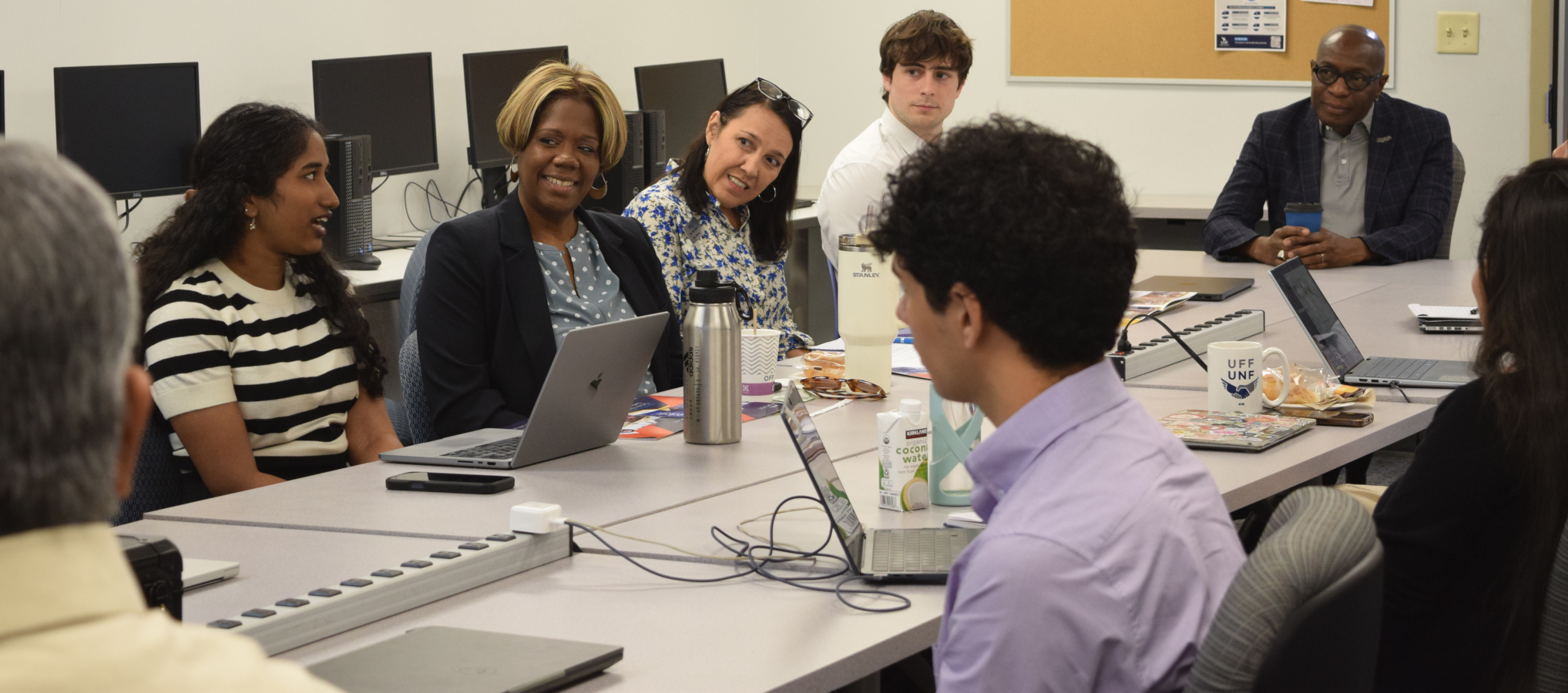
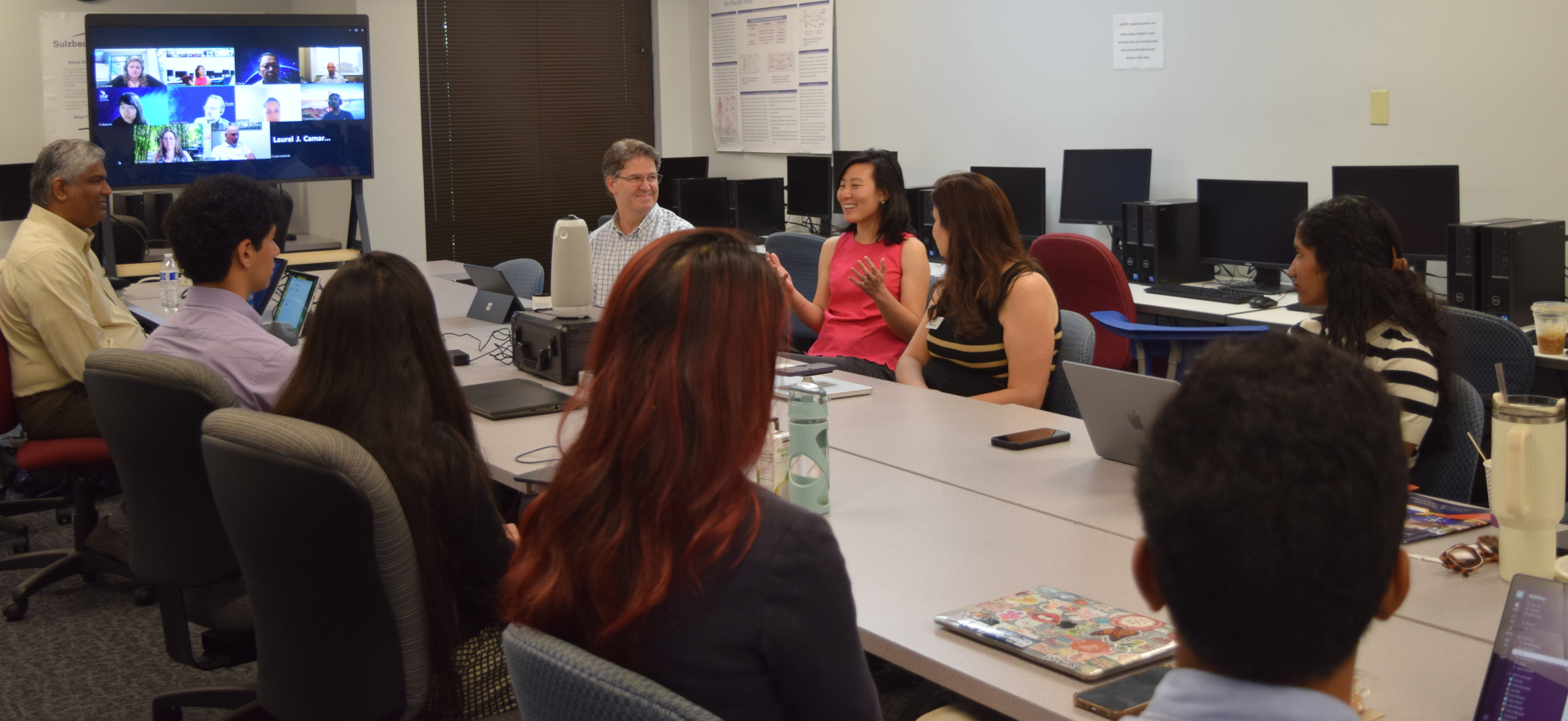
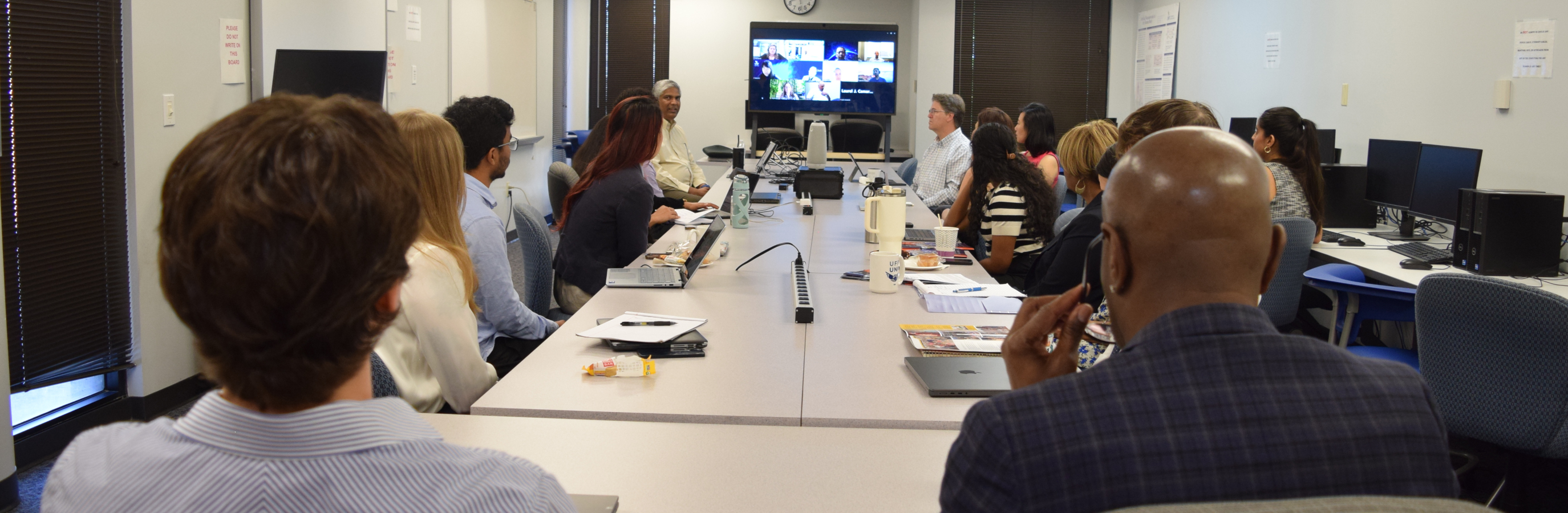
During this 12-week, paid internship program, students from multidisciplinary backgrounds collaborate as a team to help community partners make data-driven decisions. Participants gain valuable, hands-on experience in data management, analytics, machine learning, data science solutions, professional communication, and community relations. Throughout the summer, cohorts are supervised by FL-DSSG program directors and receive dedicated guidance from faculty project leads and industry mentors.
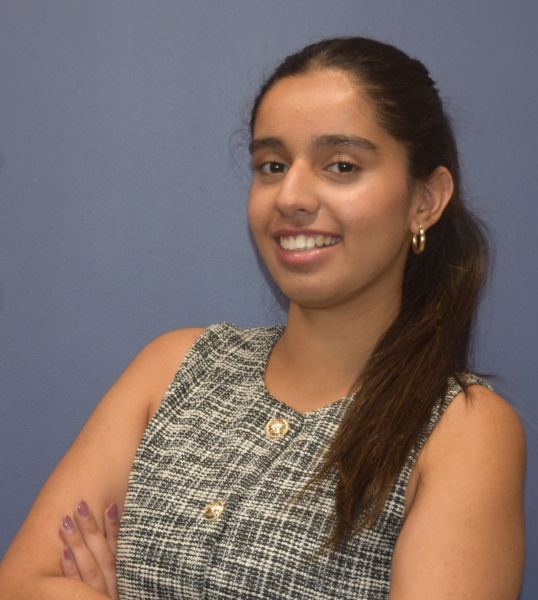
Charvi Beniwal
Economics and Data Analytics
Bachelor of Arts Student
Denison University
Granville, OH

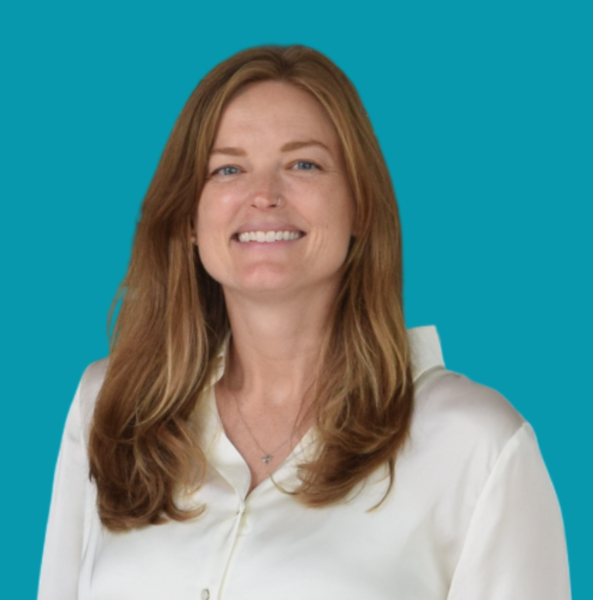
Amanda Braden
Data Analytics
Master of Science Student
University of Central Florida
Orlando, FL
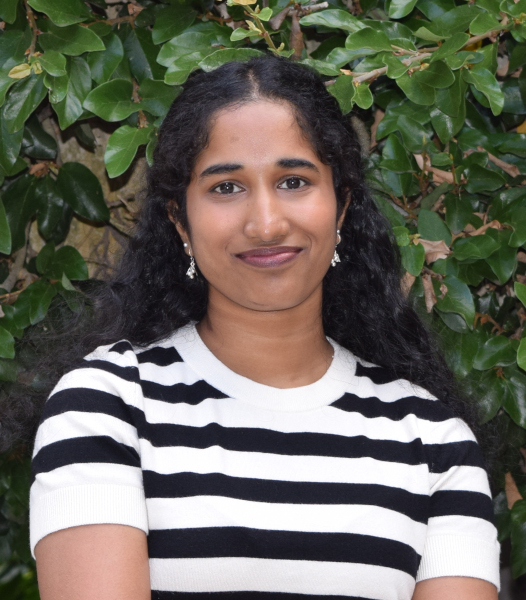
Ananya Gullapally
Artificial Intelligence and Business Analytics
Master of Science Student
University of South Florida
Tampa, FL
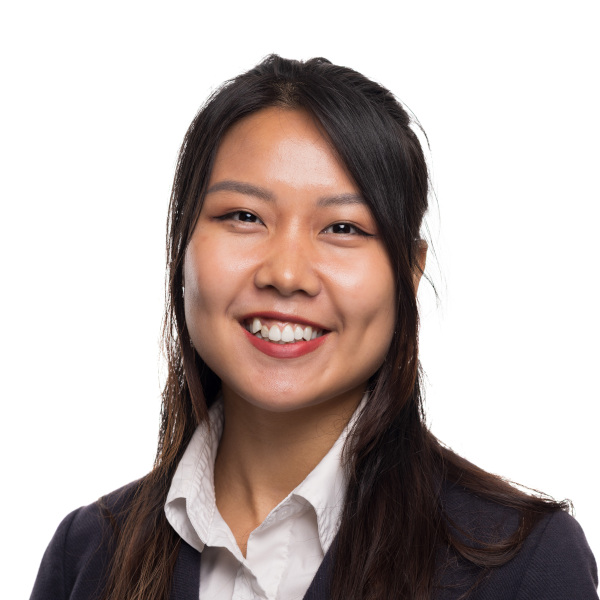
Huong Hoang
Economics, Sustainable Business, and Applied Data Science
Bachelor of Arts Student
Wesleyan University
Middletown, CT

Brant Marcus
Psychological Science
Master of Science Student
University of North Florida
Jacksonville, FL
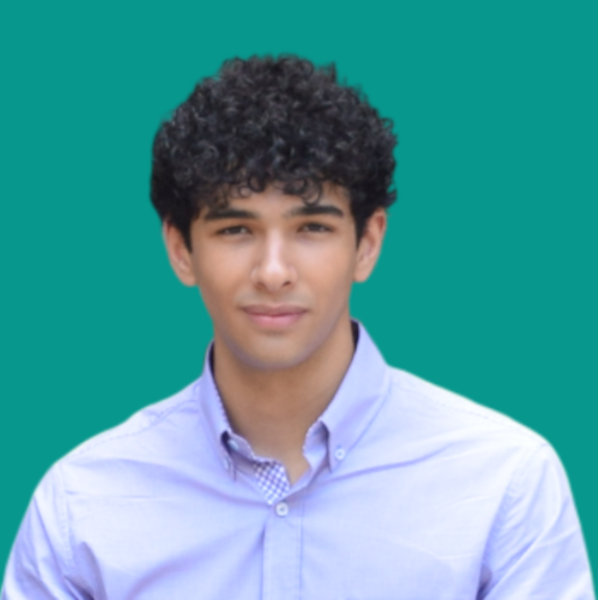
Zakaria Missa
Data Science and Psychology
Bachelor of Science Student
University of Central Florida
Orlando, FL
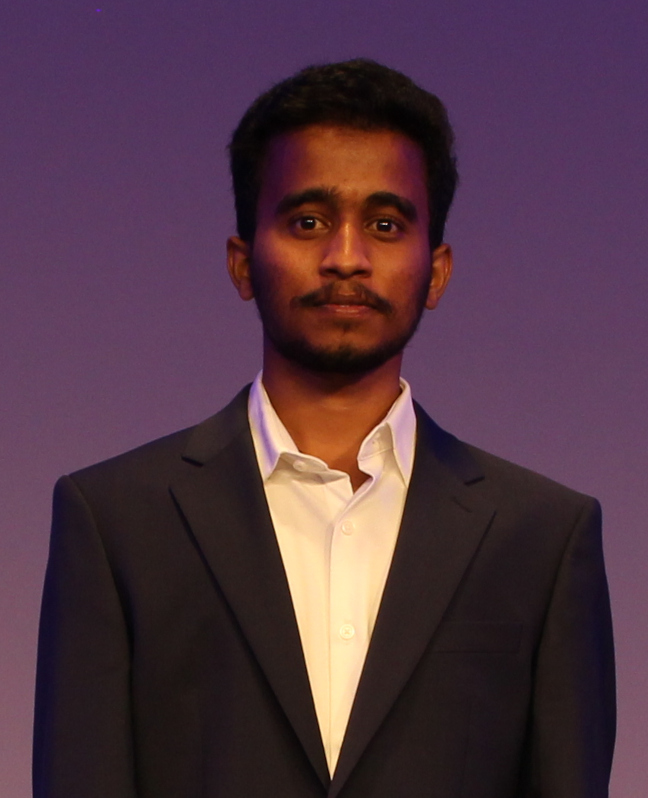
Kushul Reddy Palakala
AI and Data Science Solutions Intern
Computer Science
Master of Science Student
University of North Florida
Jacksonville, FL
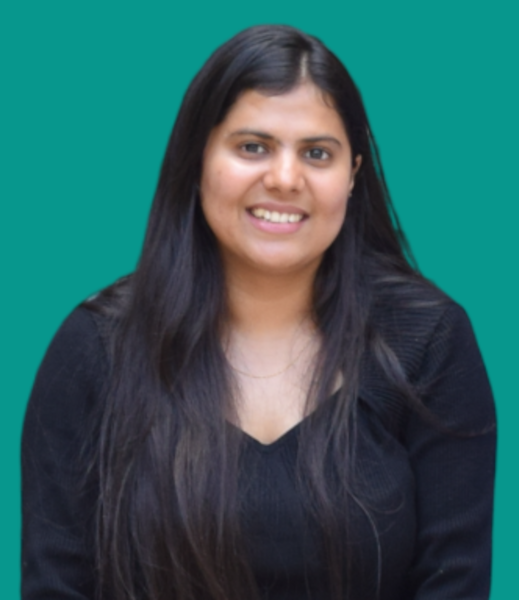
Poornima Patil
Business Analytics
Master of Science Student
University of North Carolina Greensboro
Greensboro, NC

Jaden Powell
Psychological Science
Master of Science Student
University of North Florida
Jacksonville, FL
Industry Mentors (Sherpas)
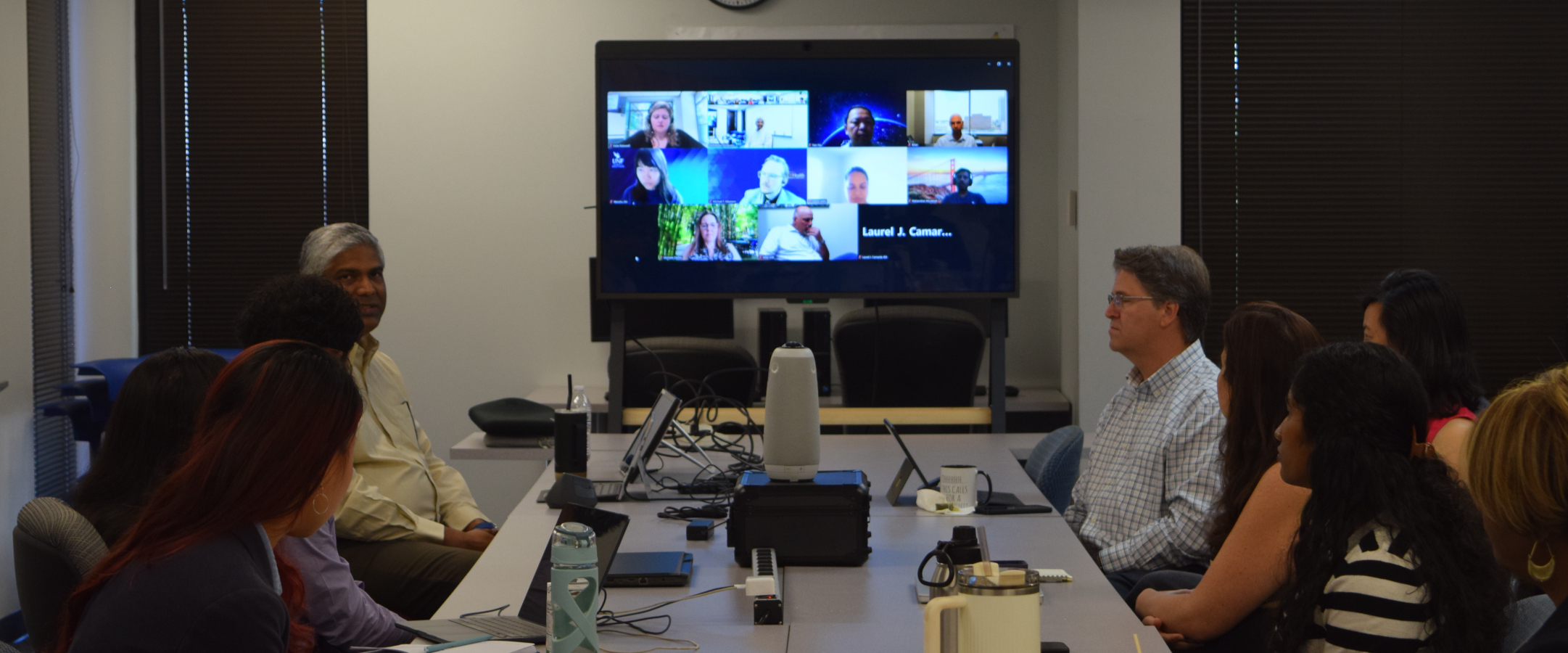
FL-DSSG Mentors, known as Sherpas, are industry leaders who guide interns toward successful project delivery. Working alongside the program directors, Sherpas instill industry best practices for solving complex data problems, refine strategic work plans, and provide hands-on technical guidance throughout the internship.
Brian Ferdman
Strategy and Analytics Analyst at CSX
Rachel Lewis
AVP, Branded Cards Pricing Strategy & Analytics at Citi
Victor Li
Director of Quantitative Research at Jacksonville Jaguars
Michael Mezzano
Data Management Analyst at UF Health
Mahendran Mookkiah
Lead Architect at CEVA Logistics
Harsha Nalla
Software Engineer at NLP Logix
Habeeba Siddiqui
Data Analyst II at Autism Institute, Drexel University
Laurel Camarda
Environmental Services at JEA
Faculty Project Leads
Faculty Project Leads collaborate with FL-DSSG program directors to help interns solve complex data science challenges within social impact projects. They provide essential subject-matter expertise to guide project tasks and drive meaningful, long-term engagement with community partners.
Dr. Beyza Aslan
Associate Professor
Department of Mathematics & Statistics
College of Arts and Sciences
University of North Florida

Dr. Michelle DeDeo
Professor
Department of Mathematics & Statistics
College of Arts and Sciences
University of North Florida
Dr. Haiyan Huang
Assistant Professor
Computer Information Systems, Coordinator of CIS Programs
Math & Technology, School of Liberal Arts and Sciences
Flagler College
Dr. Arpita Jadav
Clinical Assistant Professor
Assistant Director of Graduate Student Services
Decision Science and Information Management
Jacksonville University
Dr. Xudong Liu
Associate Professor
School of Computing
College of Computing, Engineering, and Construction Management
University of North Florida
Dr. Wanzhu Shi
Assistant Professor
Political Science & Public Administration
College of Arts & Sciences
University of North Florida