hDim: Hidden Dimensions Podcast

Many data scientists are beginning to discover hidden value and broader impacts of their work.

The Hidden Dimensions (hDim) podcast seeks to uncover the perspectives, values, and techniques that give data science work meaning in an ever-changing and connected world.

We believe quality data science is collaborative and connects relevant data and powerful technology tools with mindful consideration of the human element and meaningful community engagement.

hDim podcast episodes are released through the FL-DSSG YouTube channel. Consider subscribing to the channel to receive alerts on the new episodes.
Upcoming Episodes

Sep 29, 2026 • 4:30 PM to 6 PM ET

Integrating AI Safely: The Enterprise Security Paradox

Watch YouTube Live Streaming Recording of the Webinar

We are in the middle of a massive enterprise shift. Companies are no longer just experimenting with basic chatbots; they are deploying autonomous AI solutions to analyze private data, automate workflows, and drive business logic. But this rapid integration has fundamentally rewritten the cybersecurity playbook.

Whether you are an executive safeguarding corporate infrastructure, an engineer deploying enterprise-grade models, or a university student preparing to build the next generation of software—this webinar session is for you.

The panel discussion will unfold across three critical acts:

  • Act 1: Ingestion Risk (Securing Data) — Defending the perimeter when content, inputs, or the model itself become adversarial.
  • Act 2: Execution Risk (Securing Decisions) — Mitigating the systemic vulnerabilities that arise when AI is empowered to take action.
  • Act 3: Output Risk (Securing Autonomous Workflows) — Navigating trust, accountability, and the corporate liability gap for AI-produced decisions or advice.

Speakers:

  • Matt Berseth — Co-Founder and Chief AI Officer, NLP Logix [ LinkedIn]
  • Sunil K. Prasad — Director of Architecture & Emerging Technologies, Peraton [ LinkedIn]

Latest Episodes


Webinar Series

When Code Writes Itself: Bridging The Gap Between Software Design, Computing Education, and AI-generated Code

Software engineering is at a crossroads. While AI drastically increases raw code throughput at the implementation layer, the core challenges of system architecture, long-term maintainability, and product reasoning remain deeply human. This special panel sequence explores how to leverage AI’s efficiency without eroding software engineering’s core principles and intellectual rigor.

Broadcast Date: April 16, 2026 Run Time: 4:30 PM to 6:00 PM (EST) via Zoom
Moderators:

Dr. Karthikeyan Umapathy
Professor and Co-Director of FL-DSSG, University of North Florida
View LinkedIn Profile →

Dr. Nan Niu
RF-SMART and Morales Family Professor and School of Computing Director, University of North Florida
View LinkedIn Profile →

Expert Panel Members:

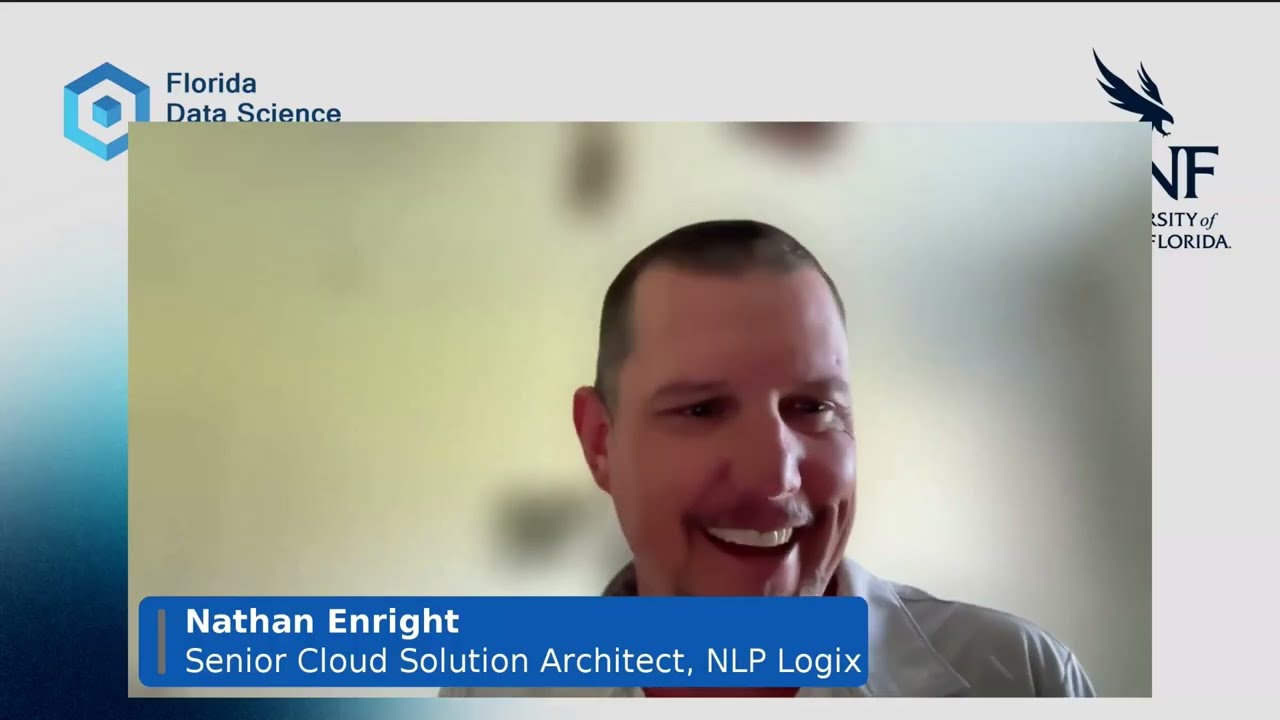
Nathan Enright
Senior Cloud Solution Architect, NLP Logix
View LinkedIn Profile →

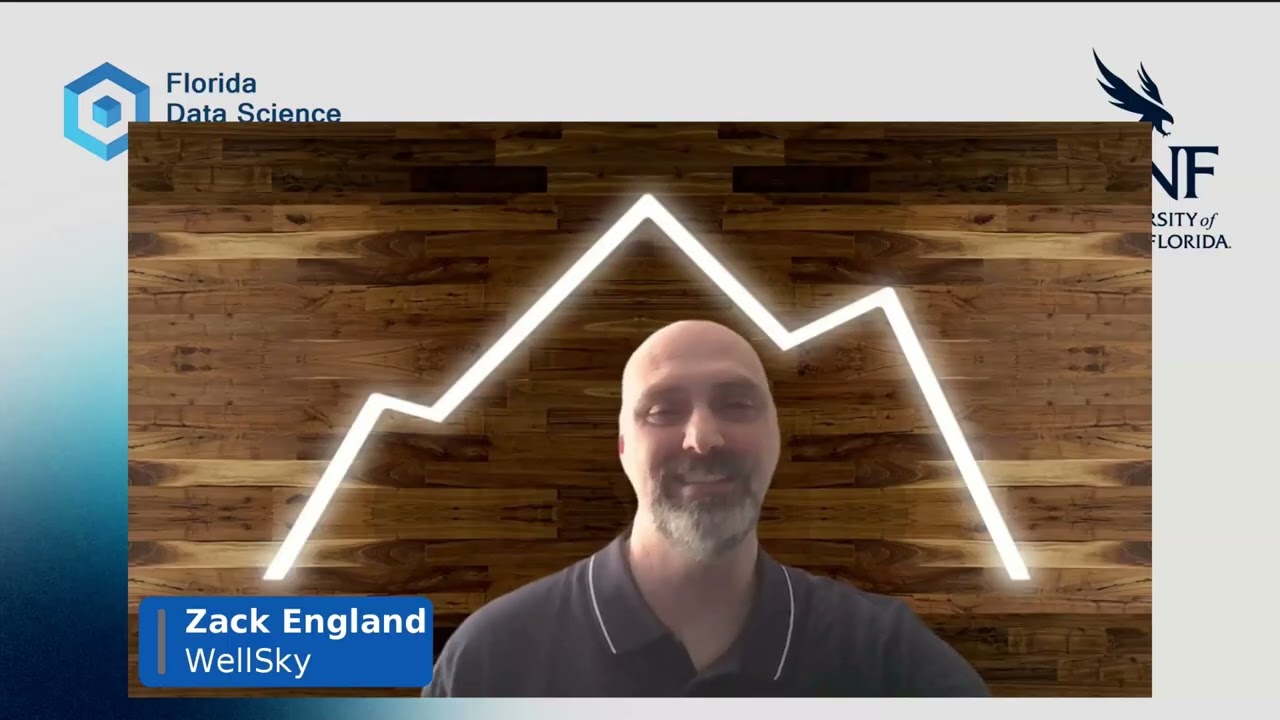
Zack England
Enterprise Software Architect, WellSky

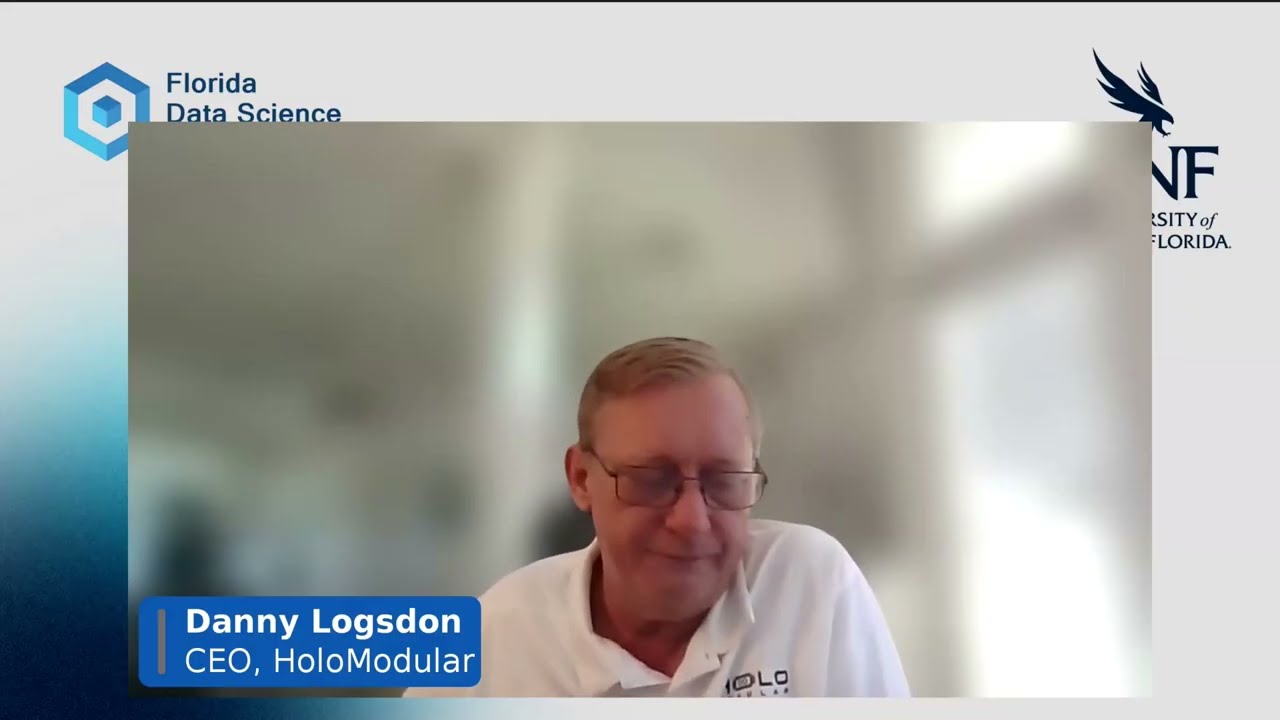
Danny Logsdon
CEO, HoloModular & Author of ServiceBricks
View LinkedIn Profile →

Rahul Pandita
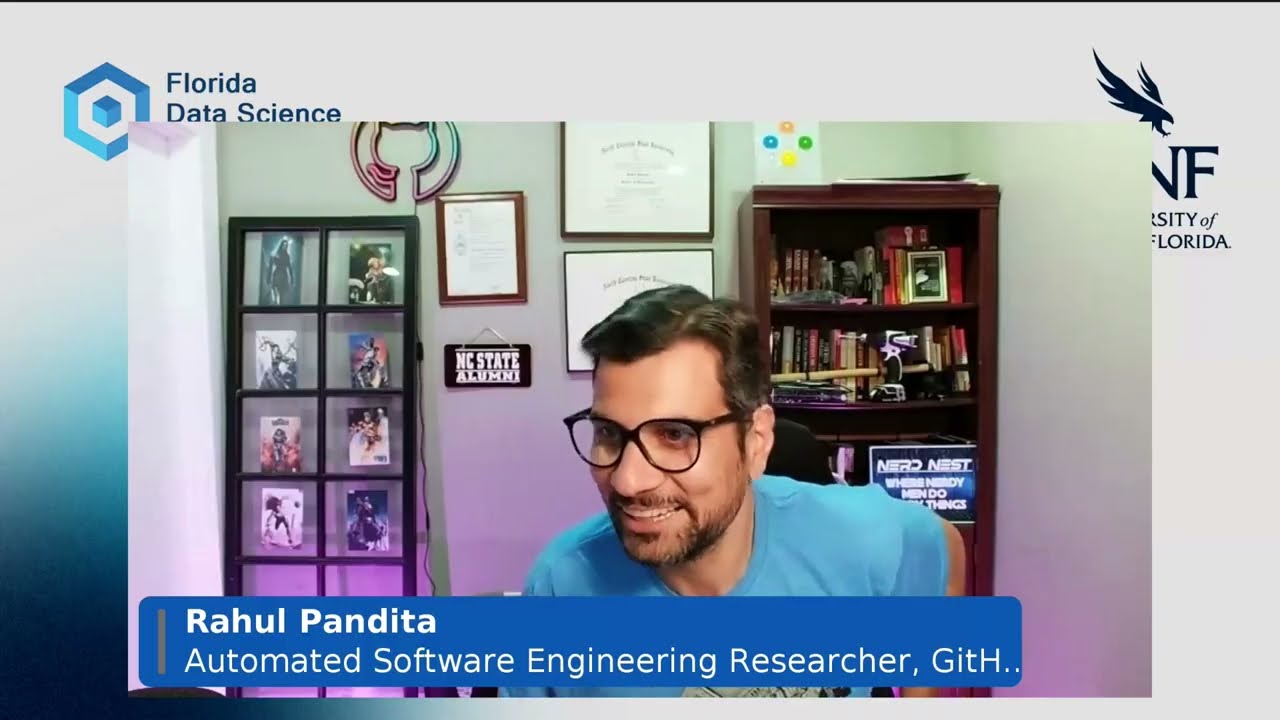
Automated Software Engineering Researcher, GitHub Next
View LinkedIn Profile →

Mike Potts
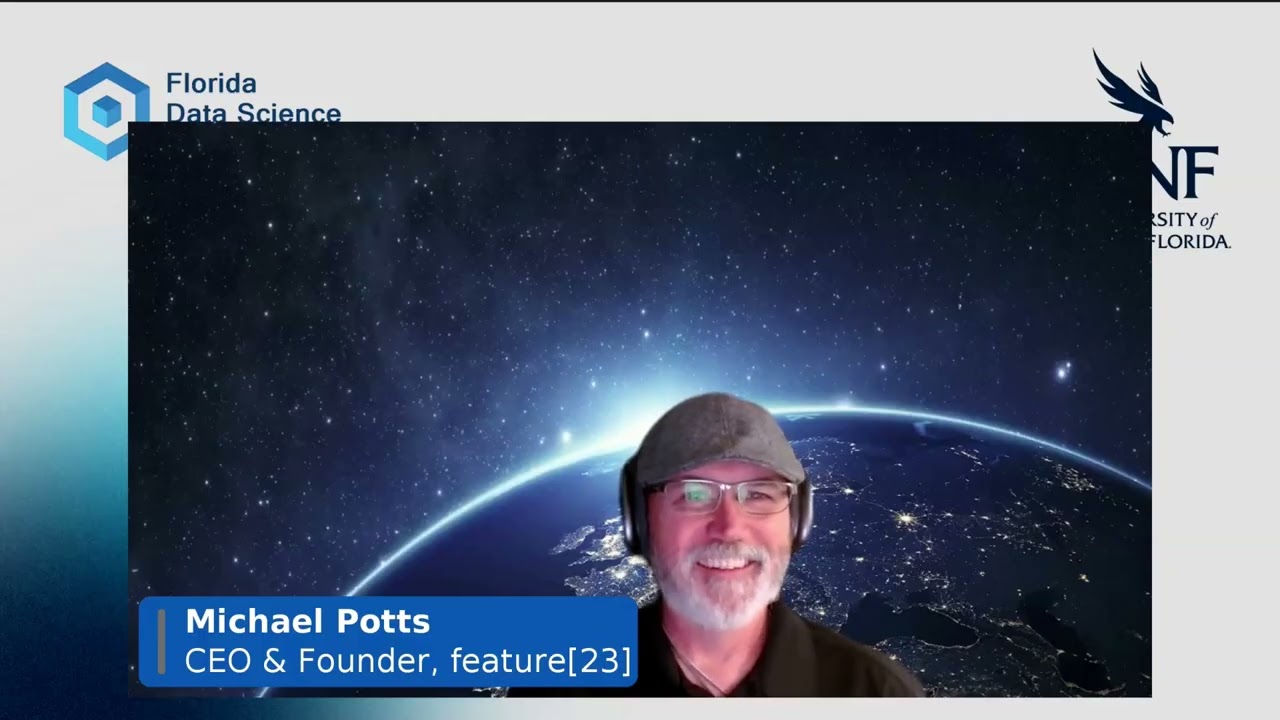
CEO & Founder, feature[23]
View LinkedIn Profile →

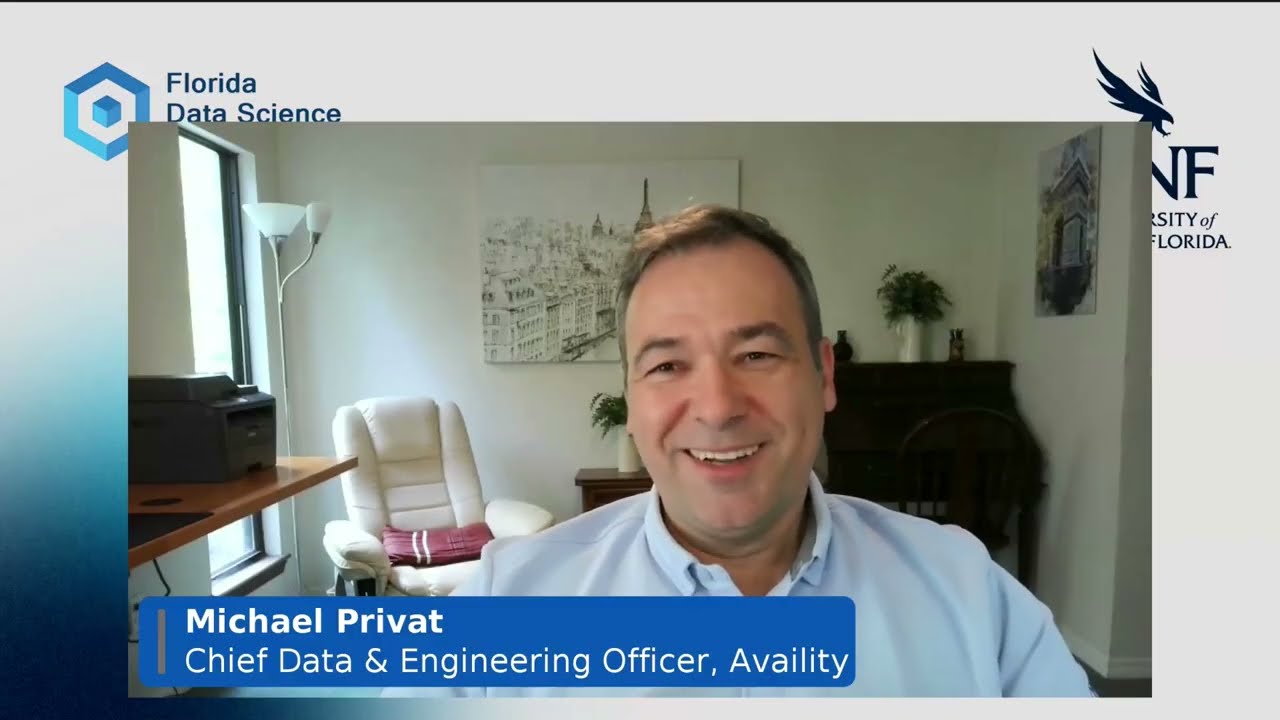
Michael Privat
Chief Data & Engineering Officer, Availity
View LinkedIn Profile →

David Provan
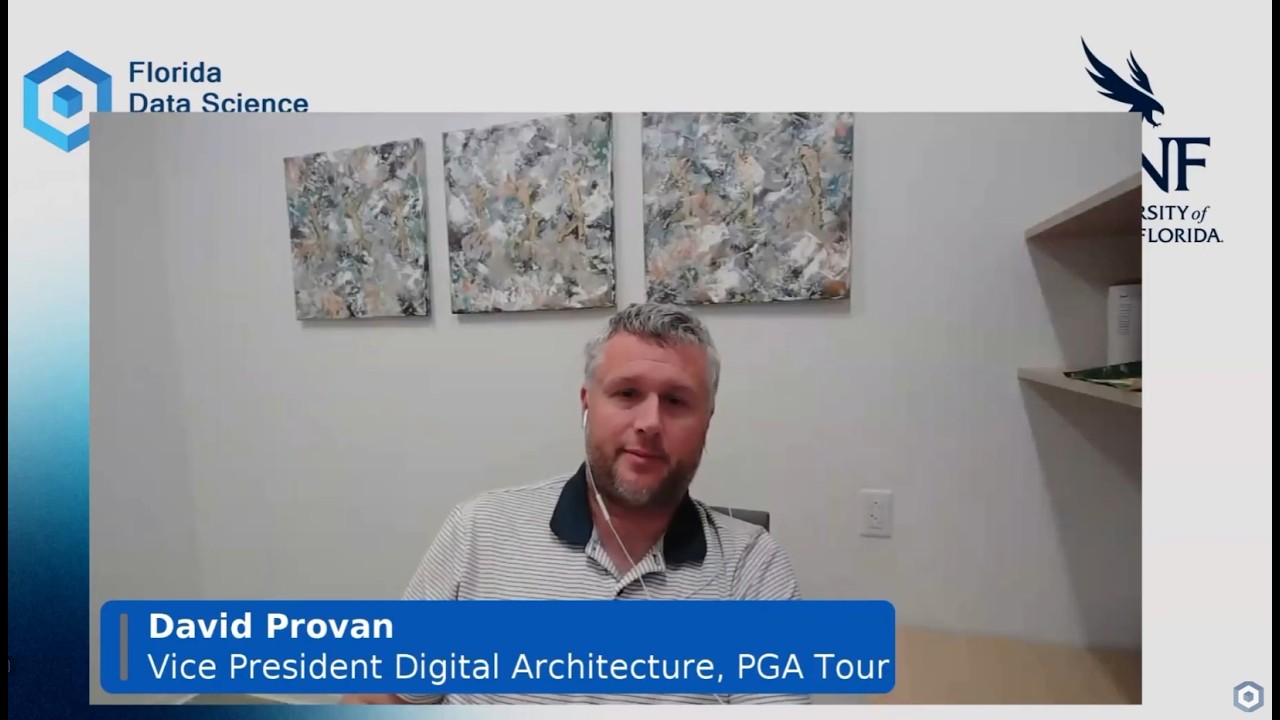
Vice President - Digital Architecture, PGA Tour
View LinkedIn Profile →

Episode 16: When AI Writes the Code: Panel Reflections and Future Horizons

The series closes with high-level advice on navigating the modern tech ecosystem. The panel challenges engineers to filter out public hype, lean directly into empirical experimentation, and treat automation as a liberating tool that frees up human intellect to focus entirely on the "why" behind the software.

In this episode, panel members share their final reflections and closing thoughts for this webinar series, answering the ultimate question:
How do we leverage AI and CodeGen tools’ efficiency at the implementation layer while preserving the core principles, system architecture, and intellectual rigor of human software engineering?

  April 16, 2026         00:07:04         Watch Episode 16 on YouTube  

Episode 15: When AI Writes the Code: Research, Tools, and Curriculum

This episode addresses how academic circles and tool-builders must pivot to reinforce software safety. The group debates the promise of design-aware IDEs and discusses restructuring university courses to prepare students to direct AI "teams" rather than manually configuring individual code scripts.

In this episode, panel members discuss the fifth question of this webinar:
What Research Directions, Emerging Tools, and Changes to Academic Curricula look most Promising for Closing the Gap between raw Code Generation and True Support for Software Design?

  April 16, 2026         00:05:22         Watch Episode 15 on YouTube  

Episode 14: When AI Writes the Code: Processes and Organizational Design

To transform AI into a force multiplier rather than an echo chamber for anti-patterns, corporate engineering protocols must shift. The panel introduces a "comprehension-first" bar for pull requests, suggesting that code reviews fail unless an engineer can fully articulate the choices made by an autonomous agent.

In this episode, panel members discuss the fourth question of this webinar:
What changes to processes—code review, architecture practices, ownership boundaries—are necessary so that AI becomes a force multiplier for good design rather than an amplifier of bad patterns?

  April 16, 2026         00:21:38         Watch Episode 14 on YouTube  

Episode 13: When AI Writes the Code: Students, New Grads, and Design Skills

With basic coding syntax increasingly democratized, the panel maps out the survival toolkit for next-generation developers. The experts explain why deep domain fluency, a healthy skepticism of system designs, and clear technical communication will heavily prioritize a candidate over standard prompting skills.

In this episode, panel members discuss the third question of this webinar:
For Students and New Graduates, What Capabilities Beyond ‘Prompting an AI Assistant’ will Actually Differentiate Them—Especially in Understanding Problem Domains, Designing Systems, and Collaborating with more Experienced Engineers?

  April 16, 2026         00:23:33         Watch Episode 13 on YouTube       Read Episode 13 Insights

Episode 12: When AI Writes the Code: Quality and long-term cost

This session tackles the systemic impact of generative code on architectural life cycles and financial frameworks. The experts unpack the rise of "cognitive debt", where micro-optimized outputs outpace human mental bandwidth, and outline the corporate trade-offs between public cloud API tokens and local, open-source models.

In this episode, panel members discuss the second question of this webinar:
How does heavy reliance on AI-generated Code change Software Quality, Maintainability, and Technical Debt over the Life of a System, not just in the First Release?

  April 16, 2026         00:14:20         Watch Episode 12 on YouTube       Read Episode 12 Insights

Episode 11: When AI Writes the Code: Where AI actually helps

The panel evaluates the practical boundaries of today’s generative tools across the software development lifecycle. Discussions highlight AI’s strength in clearing the "blank page hurdle" through scaffolding and boilerplate generation, contrasted against its total inability to decode ambiguous human requirements.

In this episode, panel members discuss the first question of this webinar:
Along the path from Problem Definition to Architecture to Implementation, where do today’s Code Generation Tools genuinely help, and where do they clearly Fall Short?

  April 16, 2026         00:12:52         Watch Episode 11 on YouTube       Read Episode 11 Insights

Episode 10: When AI Writes the Code: Expert Panel Introductions

This premiere installment establishes the foundational thesis of the webinar series. The moderators introduce the industry panel to outline the modern paradox of AI-augmented engineering: handling unprecedented code throughput while safeguarding strategic, human-centric design pillars.

  April 16, 2026         00:13:42         Watch Episode 10 on YouTube  

Podcast Hosts

Dr. Dan Richard

Professor, Department of Psychology University of North Florida Co-Director of Florida Data Science for Social Good (FL-DSSG)
Dan Richard
Karthik Umapathy

Dr. Karthikeyan Umapathy

Professor, School of Computing University of North Florida Co-Director of Florida Data Science for Social Good (FL-DSSG)

Curious about appearing as a guest on the hDim podcast?

Want to participate in the podcast as a guest? Have a question you can't wait to hear us talk about or want to share anything with our listeners?

Contact Dr. Richard at

Subscribe, View, and Comment

hDim podcast episodes are released via the FL-DSSG YouTube channel.
Consider subscribing, viewing, and commenting on the hDim podcast episodes.


© 2026 Florida Data Science for Social Good (FL-DSSG) at the University of North Florida (UNF).
Built using Bootstrap 5.